By: Stephen Henry
Senior Environmental Correspondent
Location: Madrid, Spain
Date: May 14, 2026
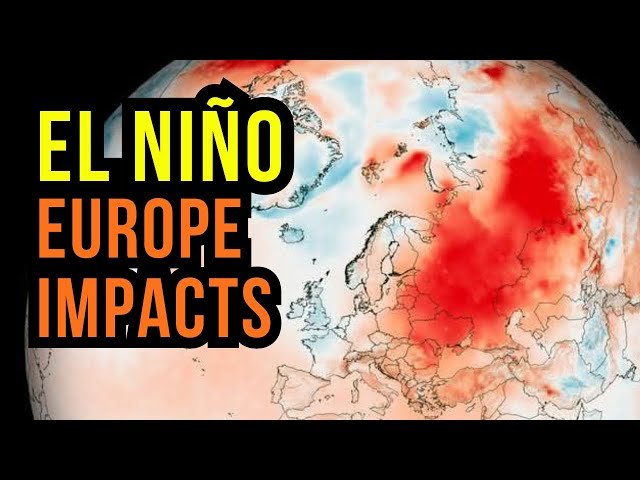
MADRID – Europe is currently experiencing a climatic anomaly that has defied all historical meteorological records. While May is typically characterized by mild spring temperatures and the final blooms of the season, a massive “heat dome” has settled over the continent, pushing temperatures into territory usually reserved for the peak of July or August. From the Iberian Peninsula to the heart of the Rhine Valley, millions of citizens are waking up to a reality where the spring air has been replaced by a stifling, desert-like furnace.
The Current Situation: A Continent in Red Alert
As of this afternoon, thermometers in Seville and Cordoba have officially crossed the 43°C (109.4°F) mark—an unheard-of figure for mid-May. The heat is not localized; it has surged northward with terrifying speed. Paris is bracing for 38°C, while parts of Southern Germany are reporting temperatures ten to fifteen degrees above the seasonal average.
National health services across Spain, France, and Italy have declared a Red Alert, the highest level of emergency. Citizens have been advised to stay indoors between 11:00 AM and 6:00 PM, and “cooling centers” have been opened in major municipal buildings. The suddenness of the heatwave has caught many off guard, leading to a surge in heat-related hospitalizations among the elderly and vulnerable populations.
The “Why”: A Perfect Storm of Meteorological Factors
Meteorologists and climate scientists are pointing to a rare and dangerous alignment of atmospheric conditions that have turned the European continent into an oven:
The African Plume: A massive low-pressure system off the coast of Portugal has acted like a giant pump, sucking intensely hot air directly from the Sahara Desert and propelling it across the Mediterranean.
The Omega Block: High up in the atmosphere, the jet stream has formed a shape resembling the Greek letter \Omega. This “Omega Block” creates a stagnant high-pressure system that traps hot air in place, preventing cooler Atlantic breezes from entering the continent.
The “Super El Niño” Effect: Following the trends of late 2025, the current “Super El Niño” cycle has raised global baseline temperatures. When a standard regional heatwave occurs on top of this elevated baseline, the results become catastrophic rather than merely “uncomfortable.”
The Mechanism of Disaster: Feedback Loops
What makes this specific event so concerning is the lack of “thermal memory” in the soil. Because Europe experienced a particularly dry winter, there is very little moisture left in the ground to evaporate. Normally, evaporation helps cool the air; without it, the sun’s energy goes directly into heating the surface, creating a vicious feedback loop. This has turned agricultural heartlands into tinderboxes, with the European Forest Fire Information System (EFFIS) warning of an “extreme” risk of wildfires months before the usual season begins.
Economic and Social Impact
The economic fallout of this May heatwave is already being felt.
Energy Grids: Power grids are under immense strain as air conditioning usage hits mid-summer peaks. In Italy, localized blackouts have been reported as transformers overheat.
Agriculture: Wheat and cereal crops, currently in their critical growth phase, are being “scorched” in the fields. Agricultural unions warn that if temperatures do not subside within 72 hours, 30% of the Southern European harvest could be lost.
Infrastructure: In London and Brussels, rail operators have introduced speed restrictions fearing that tracks—not yet treated for summer heat—might buckle under the thermal expansion.
Expert Analysis: A New Normal?
”We are no longer looking at ‘rare’ events,” says Dr. Elena Voss, a senior climatologist at the European Weather Centre. “What we are seeing today in May 2026 was predicted to be a ‘worst-case scenario’ for 2050. The window for climate adaptation is closing faster than our infrastructure can keep up with. This is not just a hot week; this is a fundamental shift in the European seasonal cycle.”
Looking Ahead
Forecasts suggest that the “Omega Block” may start to break by the end of the weekend, but not before a final “heat spike” tomorrow. As the continent prays for rain, the political pressure on European leaders to accelerate decarbonization efforts has reached a boiling point, mirroring the temperatures outside.
For now, the streets of Europe remain eerily quiet, the silence broken only by the hum of cooling fans and the occasional siren—a stark reminder that the planet’s climate is changing far faster than our ability to inhabit it comfortably.
Stephen Henry will continue to provide updates as the heatwave moves toward Eastern Europe.