By: Stephen Henry
Senior International Correspondent
Location: Washington D.C., USA
Date: May 14, 2026
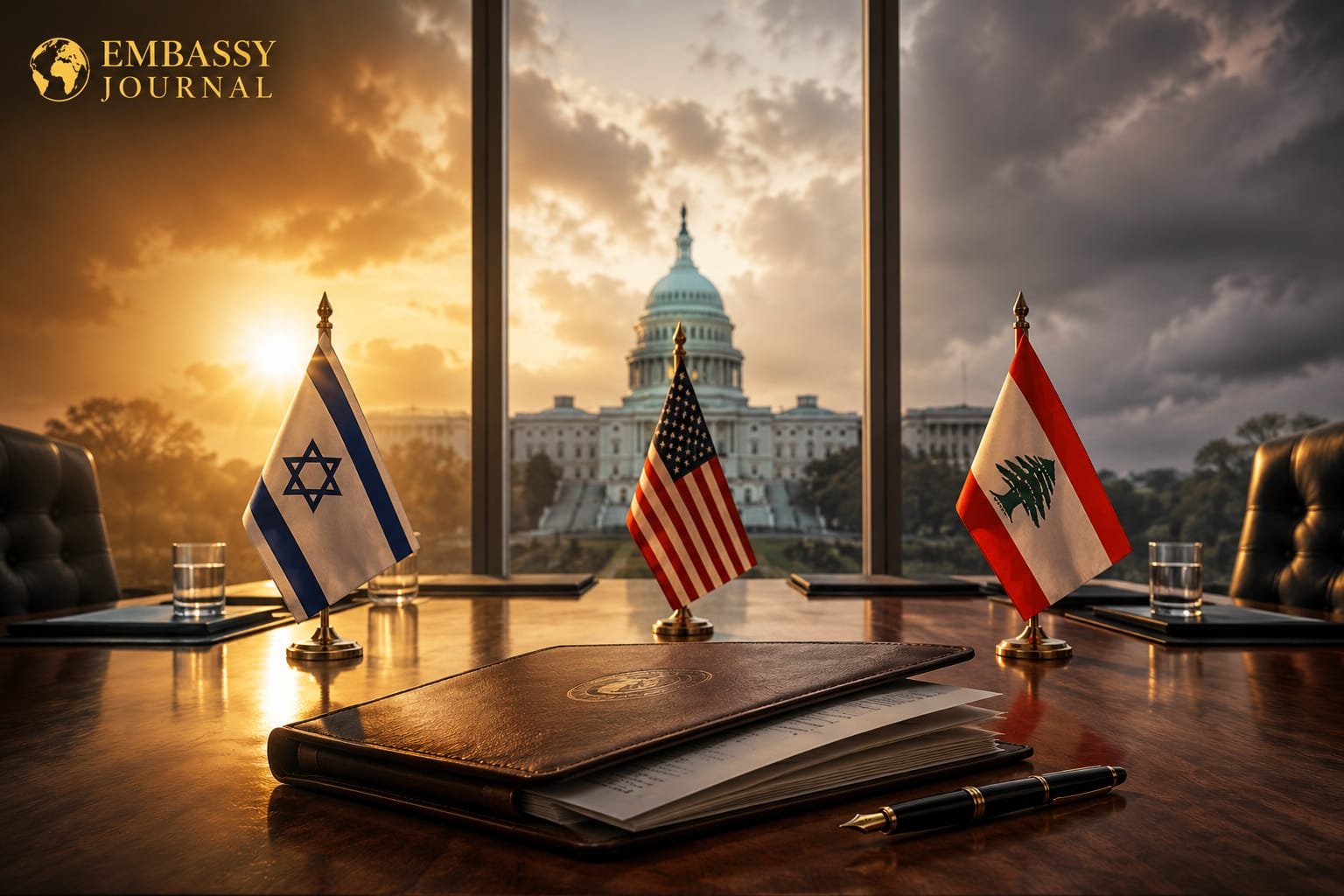
WASHINGTON D.C. – High-level delegations from Israel and Lebanon have convened at the State Department today for a high-stakes summit aimed at extending a precarious ceasefire that is set to expire at midnight. Under heavy pressure from the Trump administration and the United Nations, the two nations are attempting to navigate a path toward long-term stability after weeks of devastating cross-border conflict.
The Context: A Nation Under Fire
The current diplomatic push follows a three-week temporary truce that began on April 17, 2026, intended to provide a humanitarian window for civilians. The conflict, which escalated sharply in early February, has resulted in hundreds of casualties and significant infrastructure damage on both sides of the border. Washington’s primary objective is to prevent a localized conflict from spiraling into a wider regional war involving major powers like Iran.
The Breaking Points: Demands and Deadlocks
While the goal is peace, the negotiations are reportedly fraught with tension. The primary points of contention include:
- The Buffer Zone: Lebanon is pushing for a permanent cessation of hostilities and a full withdrawal of forces to pre-conflict lines.
- Security Guarantees: Israel maintains that it will not commit to a long-term ceasefire until it receives verifiable guarantees that Hezbollah’s military infrastructure near the border is dismantled.
- The Iranian Factor: Indirect involvement from Tehran has complicated the talks, as any agreement reached in Washington will likely require the tacit approval of regional stakeholders to remain viable.
Diplomatic Strategy: The “Trump Doctrine” in Action
The Trump administration has taken a characteristically direct approach to the mediation. Sources close to the State Department suggest that the U.S. is leveraging both economic incentives and the threat of reduced military coordination to bring both parties to a consensus.
“The cycle of violence must end. We are here to provide the platform, but the courage to choose peace must come from Jerusalem and Beirut,”
— U.S. State Department Spokesperson (briefing the press this morning).Economic and Regional Stakes
The uncertainty surrounding the ceasefire has sent ripples through global markets. Oil prices have shown high volatility as traders weigh the possibility of a renewed conflict that could disrupt Mediterranean shipping routes. Furthermore, the displacement of thousands of families remains a humanitarian crisis that only a stable, long-term agreement can address.
The Final Hour
As the clock ticks toward the midnight deadline, negotiators are working through a “final draft” of a protocol that would extend the truce for another sixty days. Whether this will lead to a permanent treaty or simply delay further bloodshed remains to be seen.
The world watches Washington tonight, hoping that diplomacy can finally silence the echoes of war in the Levant.
Reporter:
Stephen Henry
Senior International Correspondent