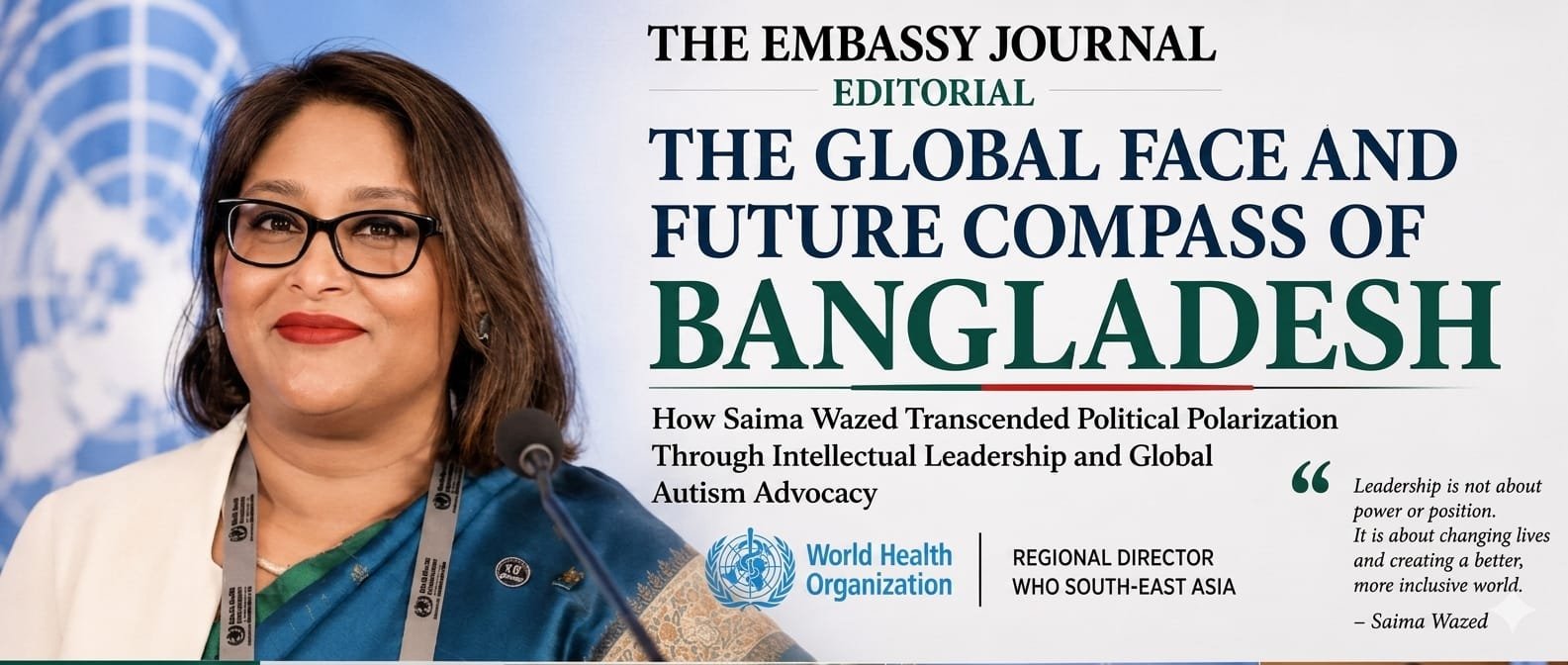
THE GLOBAL FACE AND FUTURE COMPASS OF BANGLADESH
How Saima Wazed Transcended Political Polarization Through Intellectual Leadership and Global Autism Advocacy
The Embassy Journal
Editorial by Sourov
DHAKA — In the deeply polarized political landscape of South Asia, leadership is too often defined by electoral dominance, inherited influence, or partisan rhetoric. Yet history reserves its highest respect for those rare individuals who rise above political turbulence to create impact rooted in humanity, science, and institutional reform. Saima Wazed stands today as one of the clearest embodiments of that transformation.
As the granddaughter of Sheikh Mujibur Rahman and daughter of former Prime Minister Sheikh Hasina, she was born into the center of Bangladesh’s political history. Yet rather than relying on inherited political identity, she built an independent global reputation through public health advocacy, scientific engagement, and humanitarian leadership.

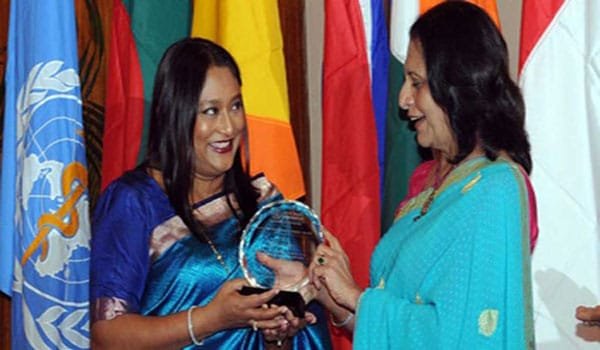
Today, she is recognized internationally not merely as a political descendant, but as one of South Asia’s most influential voices for autism awareness, mental health, and neurodevelopmental inclusion.
Rising Above Political Division
Bangladesh’s political environment has long been marked by sharp ideological conflict and emotionally charged historical narratives. In such an atmosphere, achieving broad public acceptability is exceptionally rare. Yet Saima Wazed has managed to position herself largely beyond conventional partisan boundaries.
Her credibility was built not through campaign slogans or political theatrics, but through sustained work for individuals living with autism and neurodevelopmental disorders (NDDs)—communities historically neglected across South Asia. By grounding her public life in clinical psychology, policy advocacy, and grassroots reform, she created a platform measured more by measurable outcomes than political affiliation.

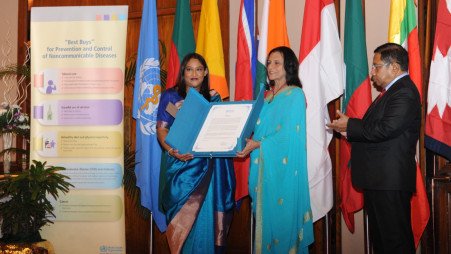
This distinction allowed her to emerge as a unifying public figure whose work is evaluated through humanitarian impact rather than partisan interpretation.
Architect of a Regional Mental Health Movement
For decades, autism and neurodevelopmental disorders remained heavily stigmatized across South Asia. Families often faced social isolation, misinformation, and limited institutional support. Recognizing this structural gap, Saima Wazed pursued specialized academic training in psychology and clinical mental health in the United States before returning to advocate systemic reform.
Through the establishment of the Shuchona Foundation, she helped initiate a modern movement centered on awareness, early diagnosis, education access, skill development, and social inclusion for individuals with autism and related disorders.

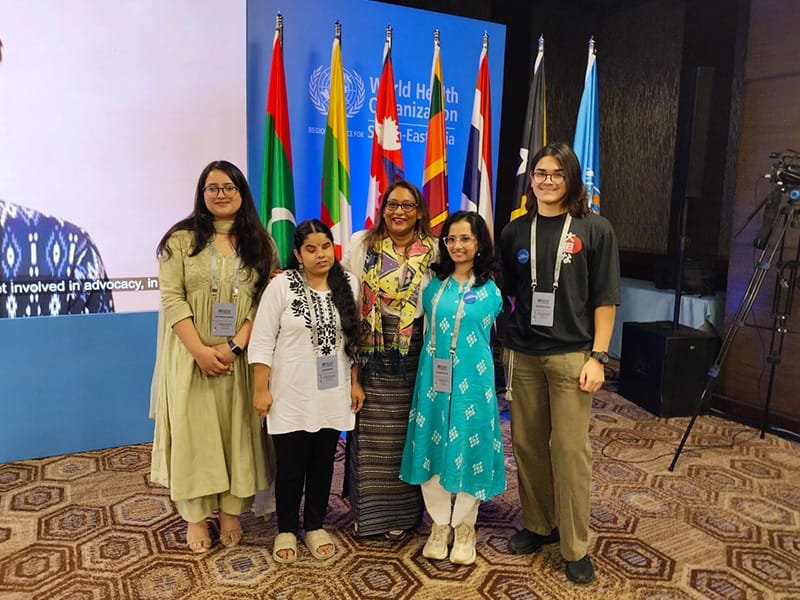
Her approach combined policy-level engagement with practical community implementation. Institutions supporting inclusive education and therapy gradually expanded, while conversations surrounding autism entered mainstream national discourse for the first time at scale.
What distinguished her work was its emphasis on dignity and institutional sustainability rather than temporary charity-driven visibility.
From Bangladesh to the Global Stage
Saima Wazed soon transformed local advocacy into international influence. Her initiatives contributed to broader global discussions on autism rights, mental health inclusion, and neurodevelopmental policy frameworks within multilateral institutions.
Her advocacy efforts were associated with major discussions at the United Nations and the World Health Organization regarding autism awareness and public health prioritization.
Her eventual election as Regional Director of the WHO South-East Asia Region marked a significant milestone not only for her career, but also for Bangladesh’s representation within global health leadership structures. In this role, she oversees regional public health coordination across multiple countries facing complex demographic and healthcare challenges.
This elevation reflects a broader international recognition of her long-term engagement in humanitarian and health-sector development.
A Different Model of Leadership
As Bangladesh navigates the challenges of economic transformation, demographic transition, and international positioning, the nature of future leadership remains a central national conversation.
Increasingly, modern societies seek leaders who combine global credibility, technical expertise, institutional understanding, and humanitarian vision. In many ways, Saima Wazed represents that emerging leadership archetype.

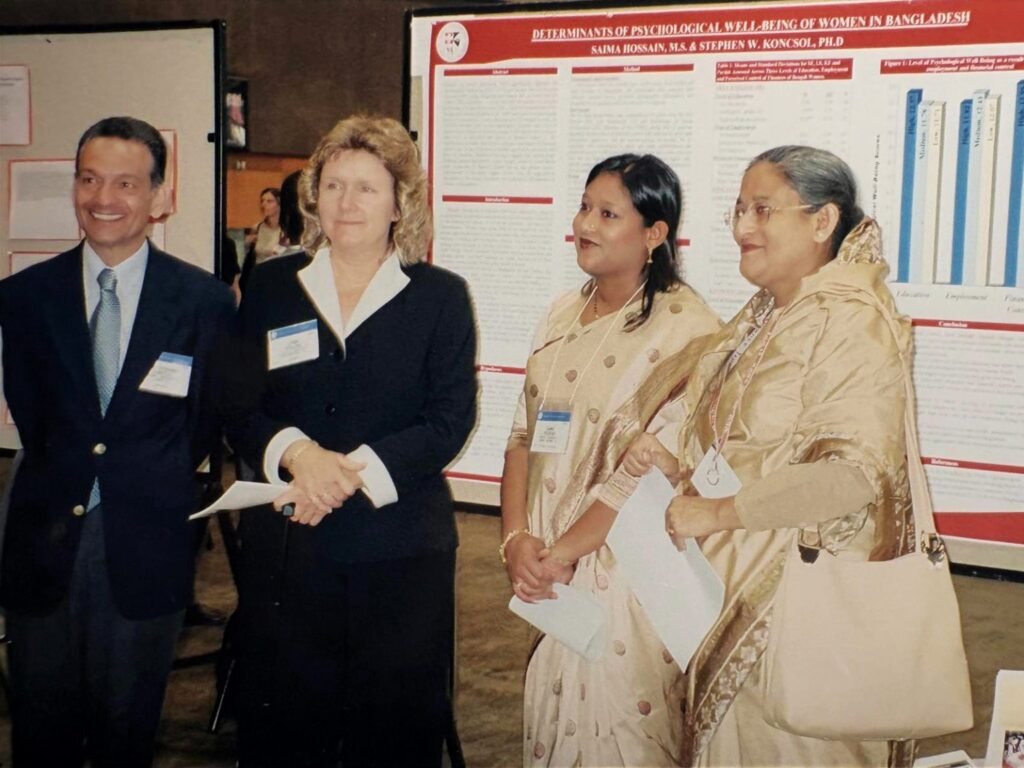
Her public image has largely remained centered on policy, inclusion, healthcare diplomacy, and scientific advocacy rather than confrontational political culture. Whether engaging in international health forums or advocating for marginalized children in rural communities, she projects a model of leadership rooted in intellect, empathy, and systemic reform.
Ultimately, her growing influence demonstrates that lasting legacy is not inherited through political lineage alone. It is earned through measurable contribution, institutional change, and the ability to improve human lives beyond borders.
For many observers, this is precisely why Saima Wazed increasingly represents not only a global face of Bangladesh, but also a potential compass for its future direction.