Special Correspondent, Dhaka | Embassy Journal
May 17, 2026
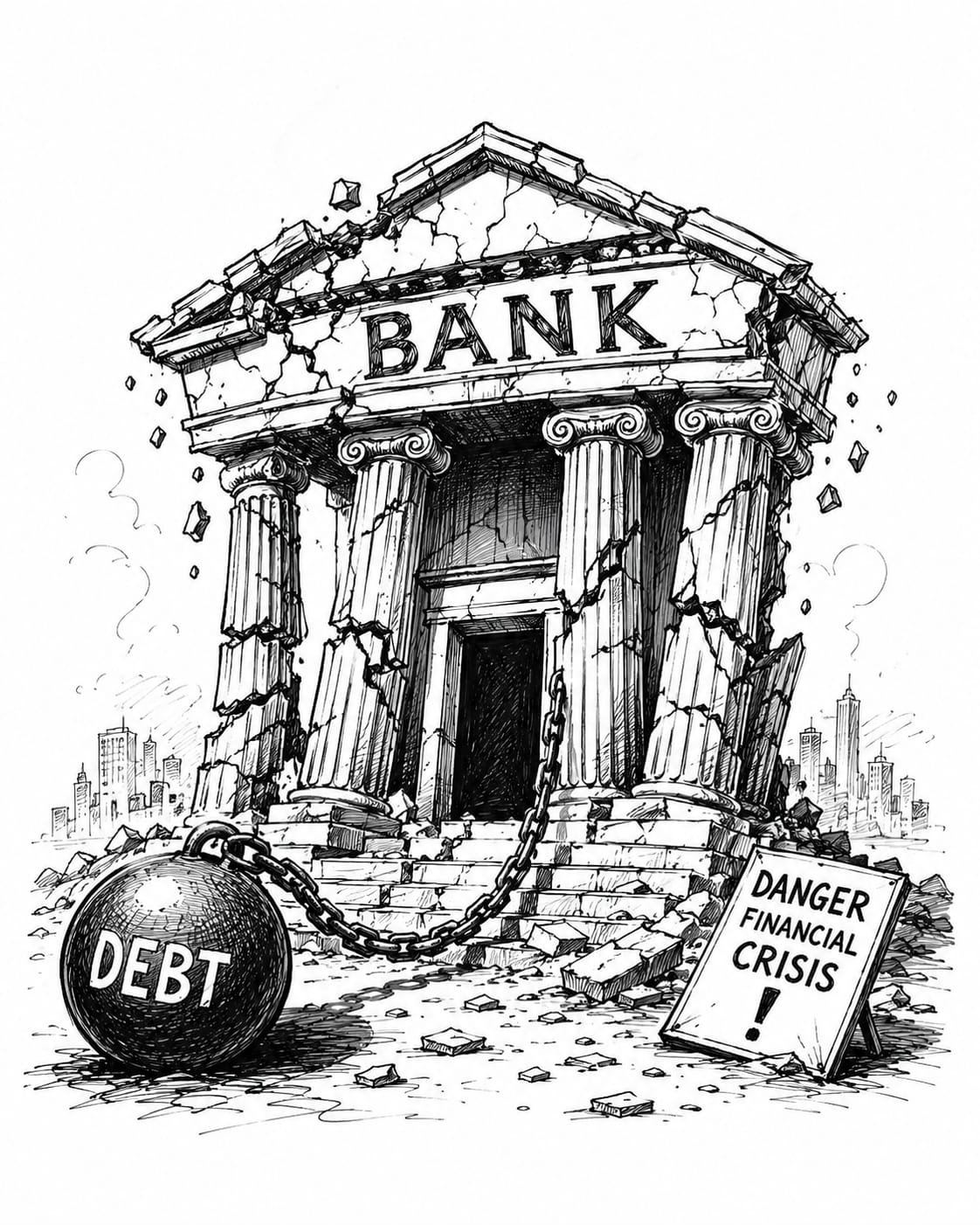
Recent reports and video analyses circulating on various news portals and social media platforms—captioned with alarming headlines like “Terrifying Warning for 66% of Banks, Risks of Vanishing Savings”—have triggered widespread anxiety among general depositors. This wave of panic has arrived just ahead of Eid-ul-Adha, a season when market demand for cash traditionally skyrockets, forcing intense scrutiny over the ongoing liquidity crunch and the safety of public money.
But what does the actual data say, and how do economic experts view the situation? Are public savings truly at risk of “vanishing,” or is an existing crisis being disproportionately exaggerated?
The Root of the Crisis
According to economists and recent reports from Bangladesh Bank, several structural vulnerabilities have undeniably deepened within the country’s banking ecosystem:
- Liquidity Pressure: Over the past few months, cash flow shortages have become apparent across multiple banks. A few banks, particularly those flagged as weak, are struggling to disburse large sums of cash to depositors instantly.
- Surging Default Loans: Non-Performing Loans (NPLs) continue to burden the sector. Because massive amounts of disbursed loans are not being recovered on schedule, the banks’ overall cash flow has been severely choked.
- The Pre-Eid Cash Demand: Ahead of the upcoming Eid-ul-Adha, both traders and individual consumers are withdrawing substantial amounts of physical cash. This seasonal surge has put immediate, additional pressure on an already strained liquidity pool.
The Reality Behind the “66 Percent” Figure
The alarming statistic suggesting that “66% of banks are at risk” is primarily derived from draft assessments and performance indexes (such as the CAMELS rating and Basel III international compliance standards) monitored by the central bank.
However, financial analysts emphasize that a bank being categorized as ‘weak’ or ‘vulnerable’ does not equate to imminent bankruptcy or the sudden disappearance of public funds. In banking terminology, this indicates structural and capital inadequacies that require closer regulatory oversight and policy intervention by the central bank to rectify.
Are Depositors’ Savings Actually in Danger?
Financial experts dismiss the narrative of public savings “vanishing” as highly unrealistic, pointing to several stabilizing factors:
- Central Bank Guarantees: Bangladesh Bank operates under strict legal frameworks and the Deposit Insurance Act, designed specifically to safeguard the funds of general depositors in any scheduled bank.
- Liquidity Support and Mergers: The central bank regularly injects emergency funds through Repo facilities and special arrangements to keep struggling banks operational. Furthermore, the ongoing policy of merging weaker banks with financially sound institutions is explicitly aimed at protecting customer deposits.
- The Danger of Panic Withdrawals: Experts warn that “panic” is far more damaging to a financial system than the crisis itself. If a massive wave of depositors attempts to pull out all their funds simultaneously, even the world’s most stable banks would collapse due to artificial illiquidity. Therefore, patience and rationale are urged over impulse.
Expert Perspectives
Speaking on the current situation, a former senior banker and financial analyst noted:
“It is undeniable that poor governance and high default loans have put immense pressure on our banking sector. However, the central bank maintains strict regulatory oversight. Depositors do not need to panic or rush to withdraw their life savings. That being said, it is always a wise practice for depositors to review a bank’s financial health and rating before committing long-term funds.”
Embassy Journal Editorial Take:
While immediate reforms and stricter governance are paramount to restoring absolute trust in the banking sector, spreading blanket panic about “vanishing savings” serves neither the economy nor the depositors. A combination of public awareness, rational financial behavior, and uncompromising regulatory enforcement by Bangladesh Bank is the definitive path through this temporary turbulence.